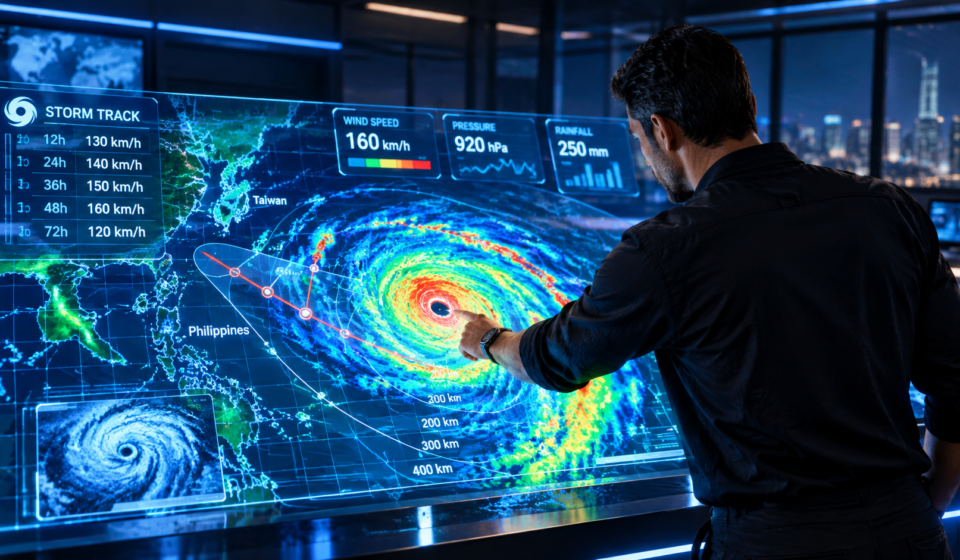

Across the globe, the word clima (climate/weather) is dominating search engines, and for good reason. As we move through 2026, the planet is experiencing unprecedented meteorological shifts. From record-shattering heatwaves in North America to an exceptional El Niño event disrupting the traditional onset of autumn, extreme weather has become our new normal. Here is a look at the current state of our global climate and how technology is racing to keep up.
The WMO Red Alert and the Road to COP30
This year has tested the limits of global infrastructure. According to the latest reports from the World Meteorological Organization (WMO), 2026 is cementing a disastrous decade, prompting a WMO Red Alert. The sheer pace of climate change in a single generation has been turbo-charged by ever-increasing greenhouse gas levels, leading to accelerated ocean heating and glacier loss.
As international leaders prepare for the highly anticipated COP30 summit in Brazil, the focus has heavily shifted toward adaptation finance and climate justice. Developing nations are urgently demanding a new collective quantified goal on climate finance to build resilience against storms, droughts, and rising sea levels. The message from scientists and policymakers is clear: mitigating clima change is no longer just about reducing emissions; it is about surviving the impacts already baked into the system.
Extreme Weather: From Heatwaves to “Zombie” Storms
The real-world impacts of these shifting weather patterns are undeniable. Organizations like ClimaMeter recently analyzed a brutal heatwave that gripped the US and Canada in early summer, concluding that human-induced global warming made the event significantly hotter and more intense. The heat was so severe it disrupted major public events, including Independence Day celebrations and sporting matches.
Furthermore, an exceptionally strong El Niño is currently stalling the transition into winter for much of North America. Meteorologists warn that while we might see fewer classic fall storms, the ones that do form could be uniquely devastating due to the excess heat energy stored in the oceans.
AI and the Evolution of Weather Forecasting
As the clima becomes more volatile, the tools we use to predict it are undergoing a massive revolution. In 2026, the accuracy of short-term weather forecasts has reached unprecedented levels, largely driven by Artificial Intelligence and advanced numerical weather prediction (NWP) models.
Companies like Climavision are utilizing high-resolution, hyper-local modeling (down to a 2 km or even 0.67 km resolution) to predict severe weather events with pinpoint accuracy. By processing over 1.5 billion weather observations daily—from satellites to proprietary ground sensors—these AI-enhanced models are giving municipalities and power grids the vital extra hours they need to prepare for sudden shifts in the weather.
Looking Ahead
Whether you are checking a clima app to see if you need an umbrella today or tracking the broader implications of global warming, the weather is no longer just small talk—it is the defining challenge of our era. With COP30 on the horizon and AI forecasting models growing smarter by the day, the intersection of nature and technology will dictate how we navigate the turbulent years ahead.